


|
|
|
|
By Yvette Depaepe
Published the 30st of March 2026
For Christine - Kapuschinsky, photography is an extension of her passion for creation. She says: “If I’m not creating, I feel like a part of me is starving.” Strong words from a strong and beautiful personality. Her children's photography is exceptional, inspiring and beautiful. She is drawn to child photography because the innocence, unlimited curiosity and sincerity of children move and affect viewers in ways that nothing else can. Christine also makes a huge statement that we should all consider primordial: “In this oversaturated digital era, where our youth are becoming increasingly addicted to screens, I am continually reminded of the importance of reminding people that this lifestyle robs children of the essence of childhood. Let them be kids.” Whatever Christine creates, her only goal is to move the viewer. And she succeeds!
Join me on a fantastic journey through her photographic world.
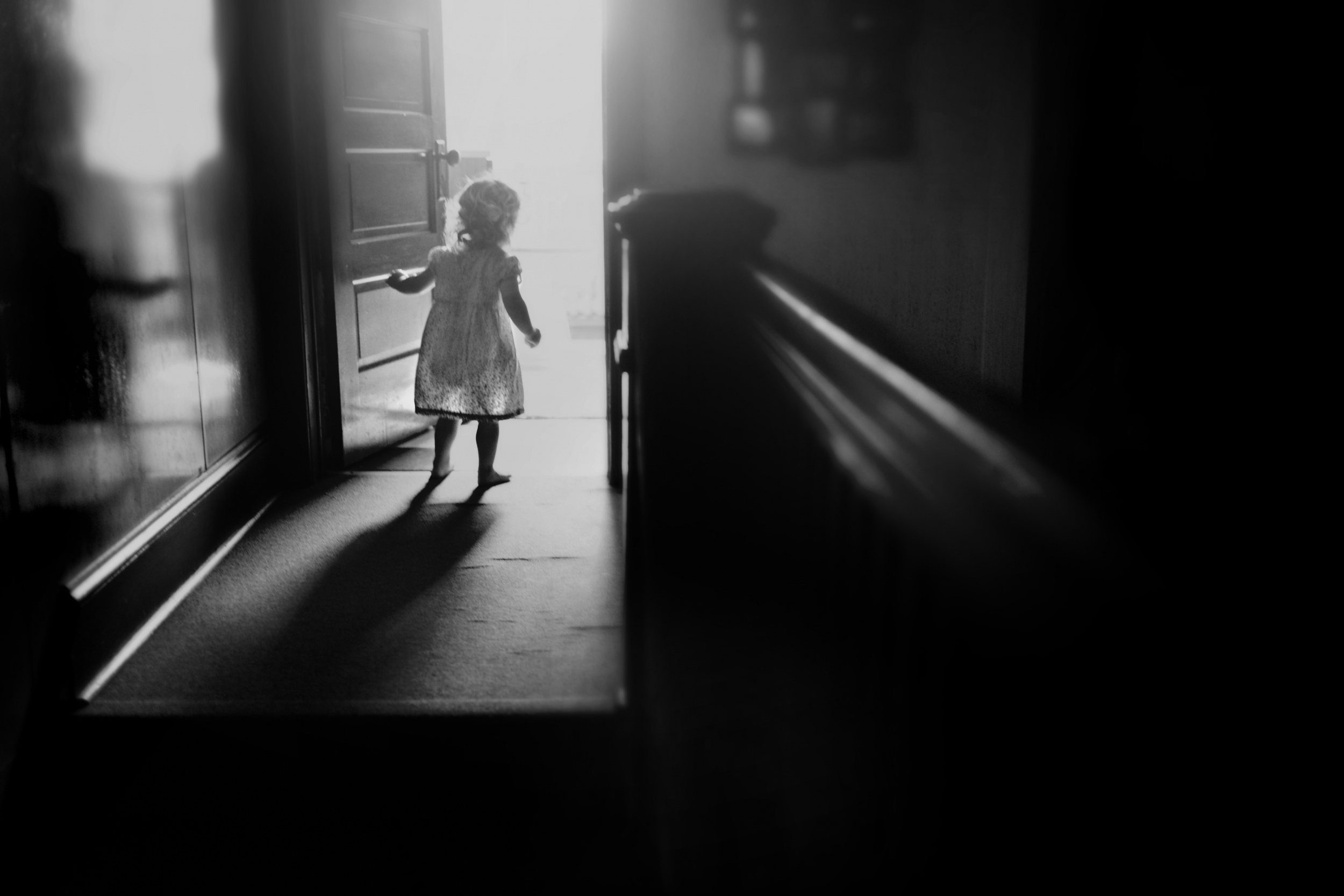
‘Transient’
Dear Kapuschinsky, first I would like to thank you so much for taking the time to answer this questionnaire! To begin, please introduce yourself shortly and tell us more about you, your hobbies or other projects you are involved in!
Thank you so much, Yvette! My name is Christine, but I use my maiden name, Kapuschinsky, for my artwork and photography, as a way of paying homage to my father, who sparked my love of and pursuit of photography many years ago. I have been married for 22 years, and we have seven children, with another on the way. They are my muses and were a huge source of inspiration when I first became serious about photography in 2012. At that time, we were still living in Southern California, and while enjoying the eternal sunshine, I learnt how to take pictures in the most difficult and harsh natural light conditions. This was a huge step in developing my style, particularly emotive monochrome imagery, and experimenting with utilising light effectively and dramatically.
When I'm not taking photos or editing them, I'm usually supervising the children's home schooling, going on hikes with them and our German Shepherd, or looking for ways to make our home more comfortable and efficient for everyone. We also have a hamster, a bug terrarium, and dozens of freshwater fish, so life here is like the Family Circus comic strip! There's never a dull moment here!
As for hobbies, I love the outdoors, so when the weather is nice, I'll be outside gardening, landscaping, swimming, hiking, building campfires or shooting motorsports photography at Evergreen Raceway. It's a 1/3-mile asphalt short track in Drums, Pennsylvania, which I used to frequent as a child. I was serendipitously granted the opportunity to freelance there last year, which has been a dream come true. I always feel like a kid again when I'm there.
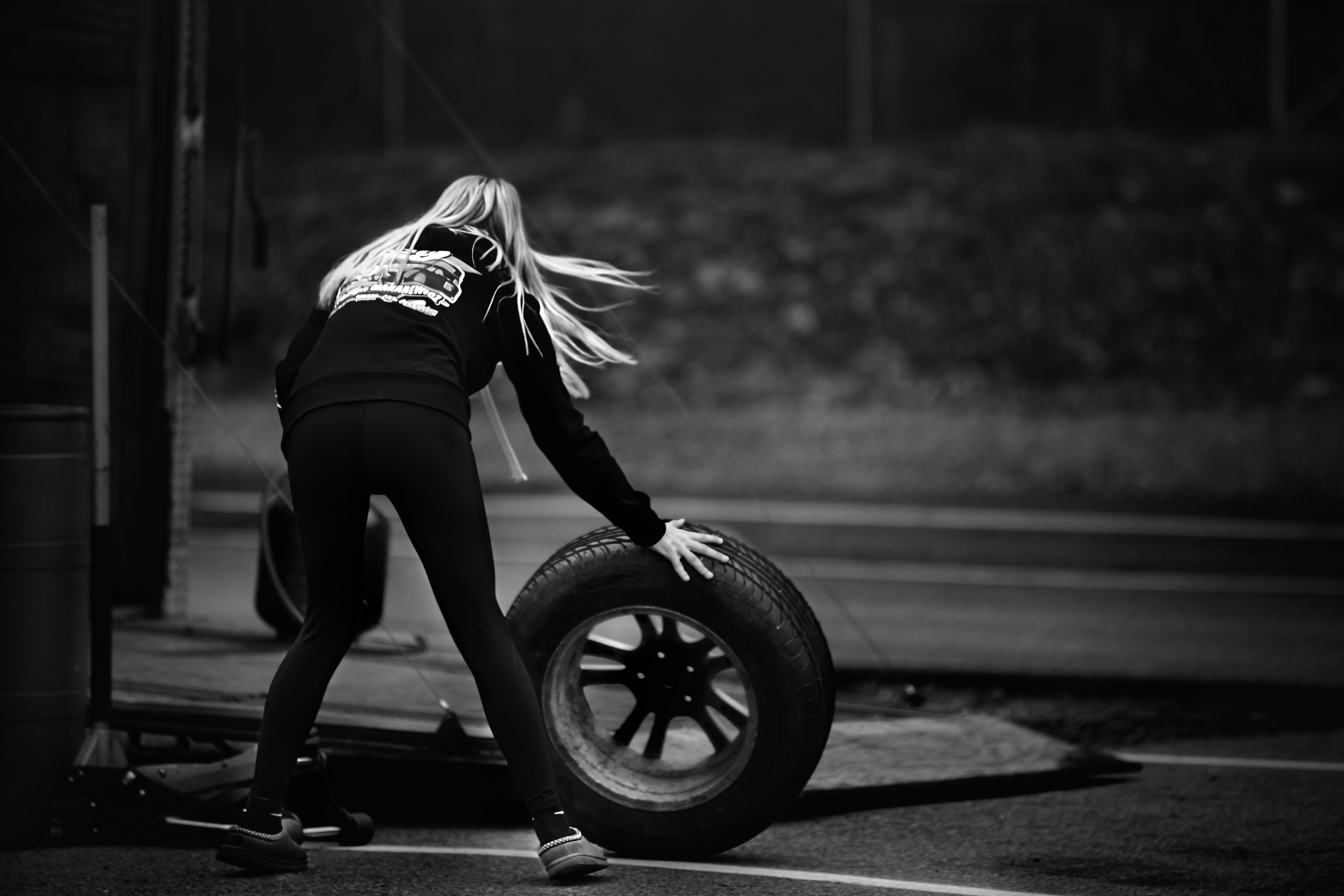
‘Hurry up and Wait’
How and when did you start your journey in photography?
Although I didn't technically pursue professional photography until about 13 years ago, I've pretty much had a camera in hand for most of my life. Throughout the years, I was always the one snapping photos on field trips, at camp, at parties, of sunsets, of my pets, and of plants growing in the garden. I wanted to document visually everything I found interesting. My parents bought me a Fuji FinePix point-and-shoot camera when I was six, but even back then, I was obsessed with taking the best photos possible, and I knew that little camera wouldn't suffice. So, to cultivate my passion further, my father let me practise with his Minolta X-700, which is quite frankly a phenomenal SLR. I fell in love with the colour and bokeh of those vintage Minolta lenses, and there was no turning back. That camera hugely influenced my decision to start out with Sony's A Mount system when I switched to digital permanently, because of its compatibility with all Minolta AF lenses.
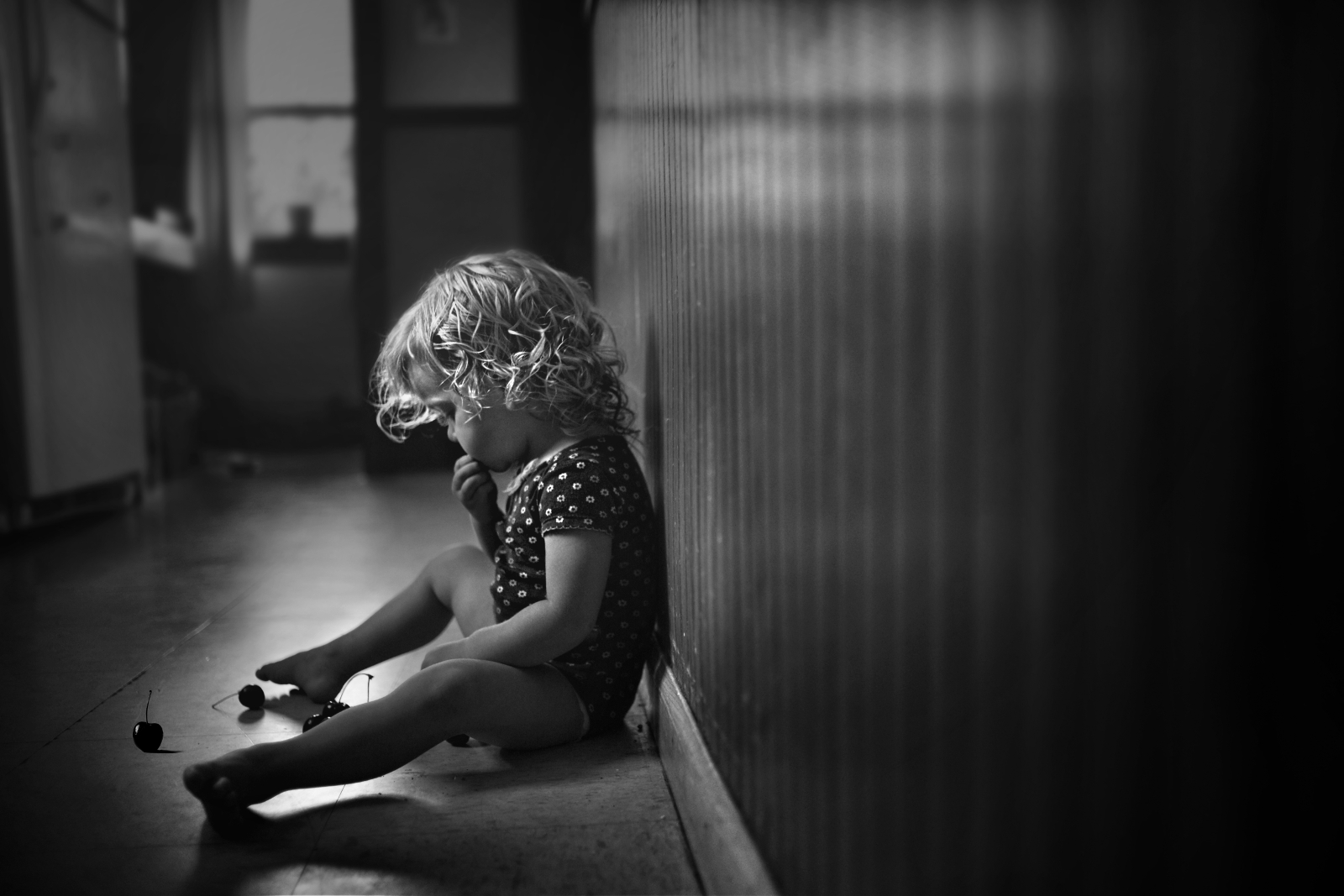
‘Cherry snacks’
For many of us, photography is either a hobby or a way of life. So, how would you describe your relationship with photography?
I have always considered myself an artist before a photographer. To me, photography is simply an extension of my passion for creation. Creating is my life. If I'm not creating, I feel like a part of me is starving.
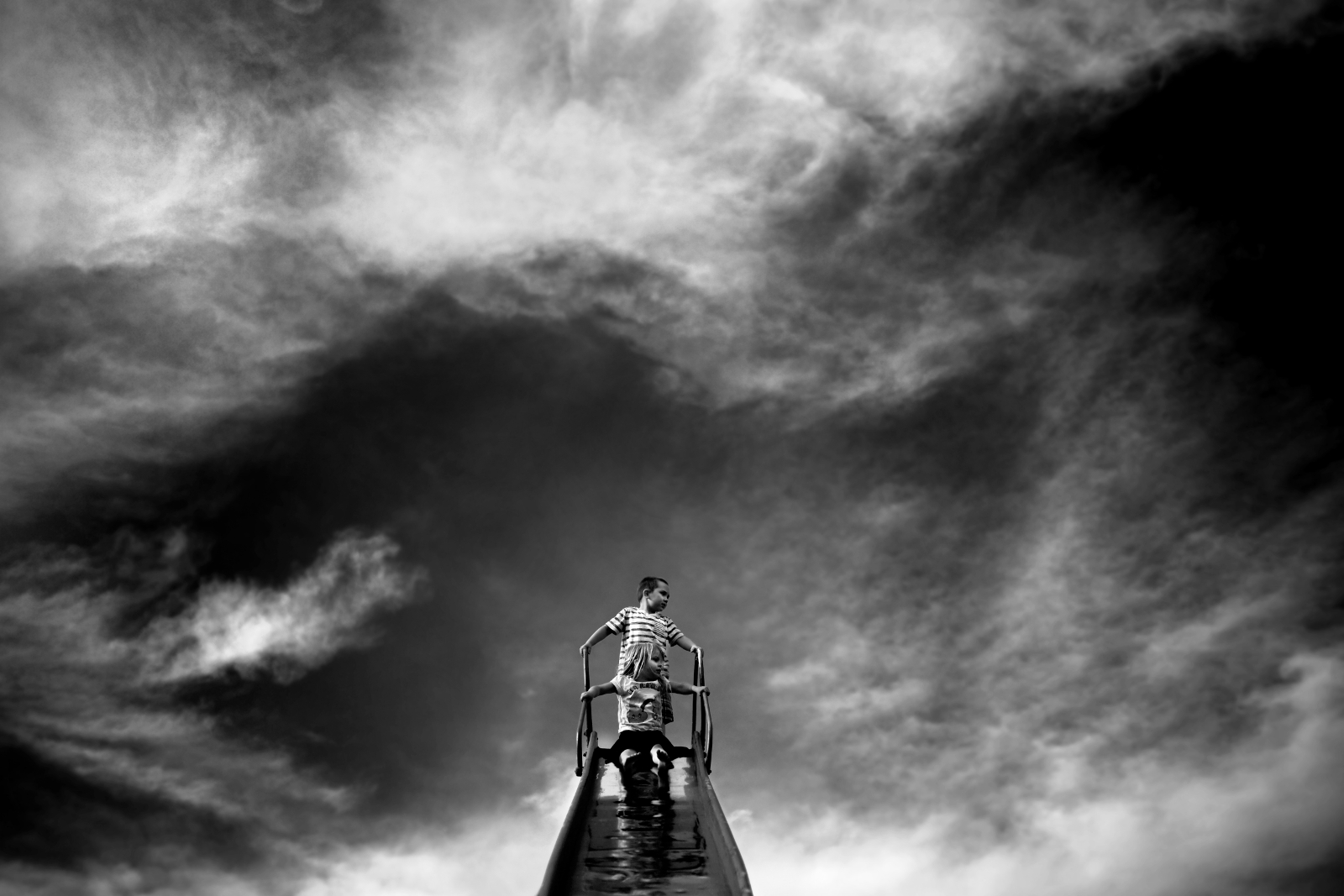
‘On Top of the World’
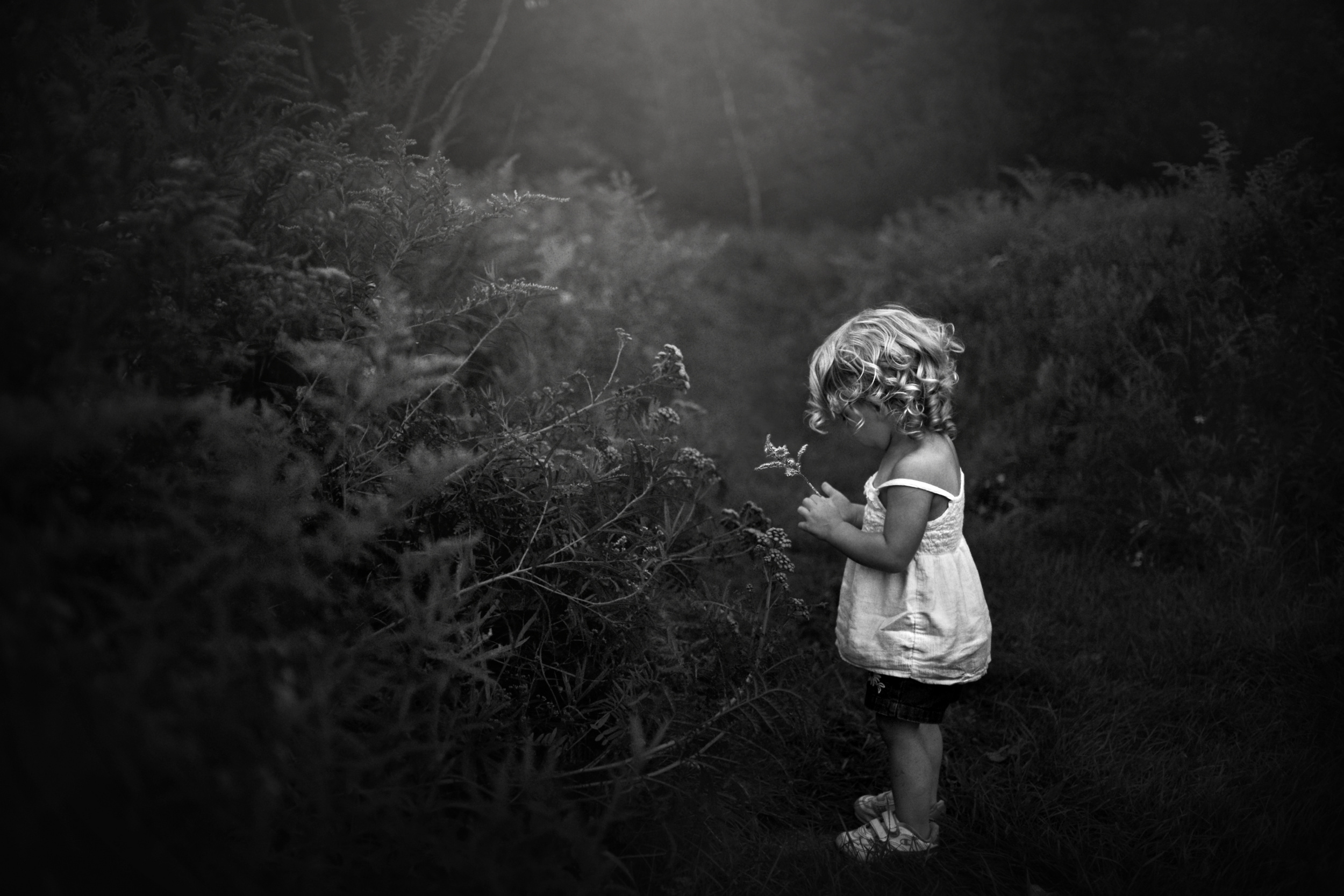
‘Pondering the Little Things’
Which experience has influenced your approach to photography the most so far?
Definitely my kids! They're the reason I switched from drawing to photography in the first place. Once I had a newborn, it was virtually impossible for me, a sleep-deprived first-time mum, to find the energy and focus to continue sketching with charcoal and watercolour crayons when I was constantly interrupted. However, I accepted it as a new phase of life, and the pride I took in being a mother eradicated any desire to dwell on the transition. It was just another chapter, a new phase of life, and I loved it. Naturally, like any doting parent, I became obsessed with taking pictures of my children, trying to capture their candidness in a way that not only reflected the moment, but also how it felt. I wanted to relive those moments. I wanted everyone who looked at them to feel the same way.
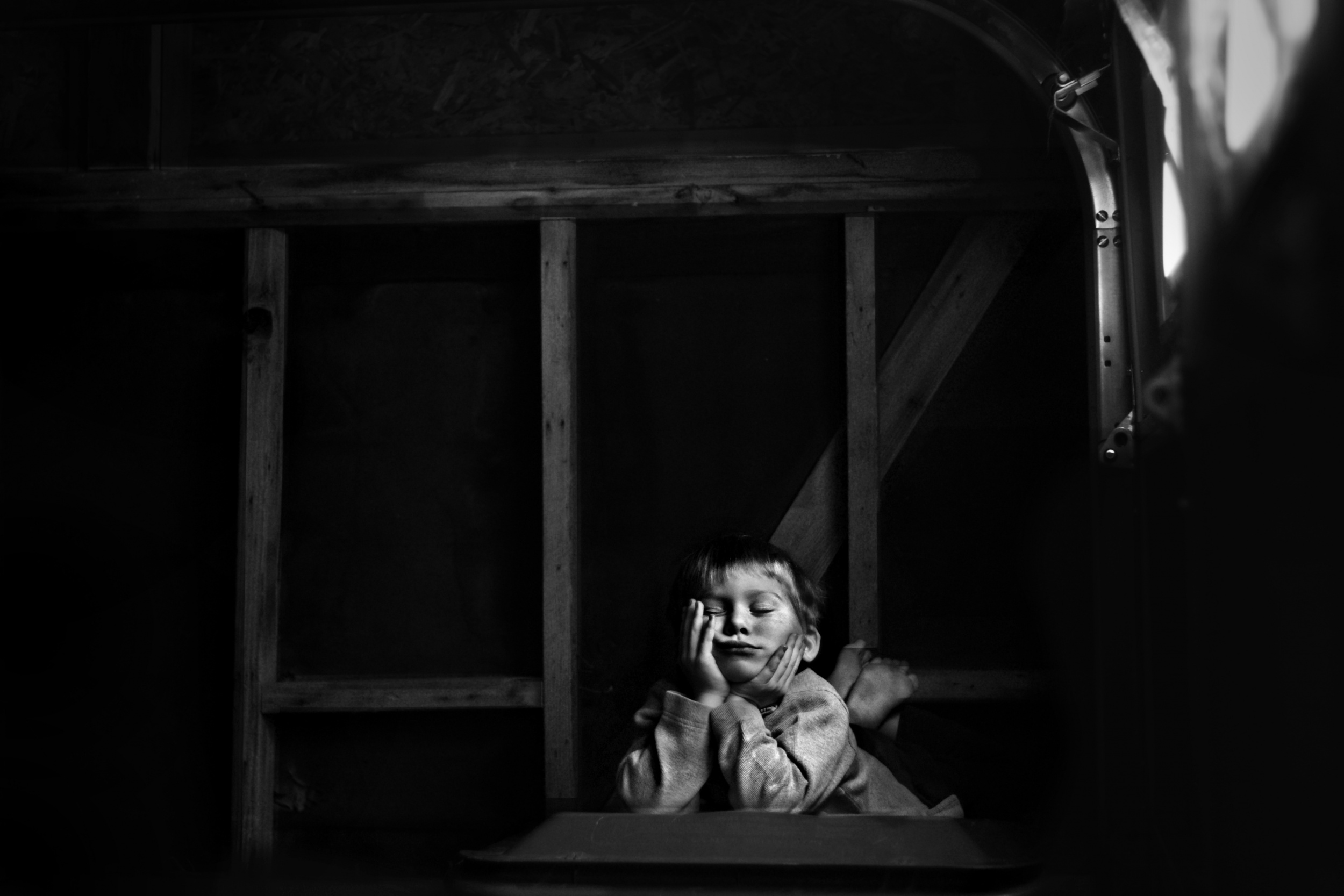
‘Zen’
Describe your vision for your photography.
Unless I'm working on a specific conceptual idea or posed portrait, I wouldn't say that I have a particular vision; rather, I consistently have the same goal: whatever I create, I want it to move you.
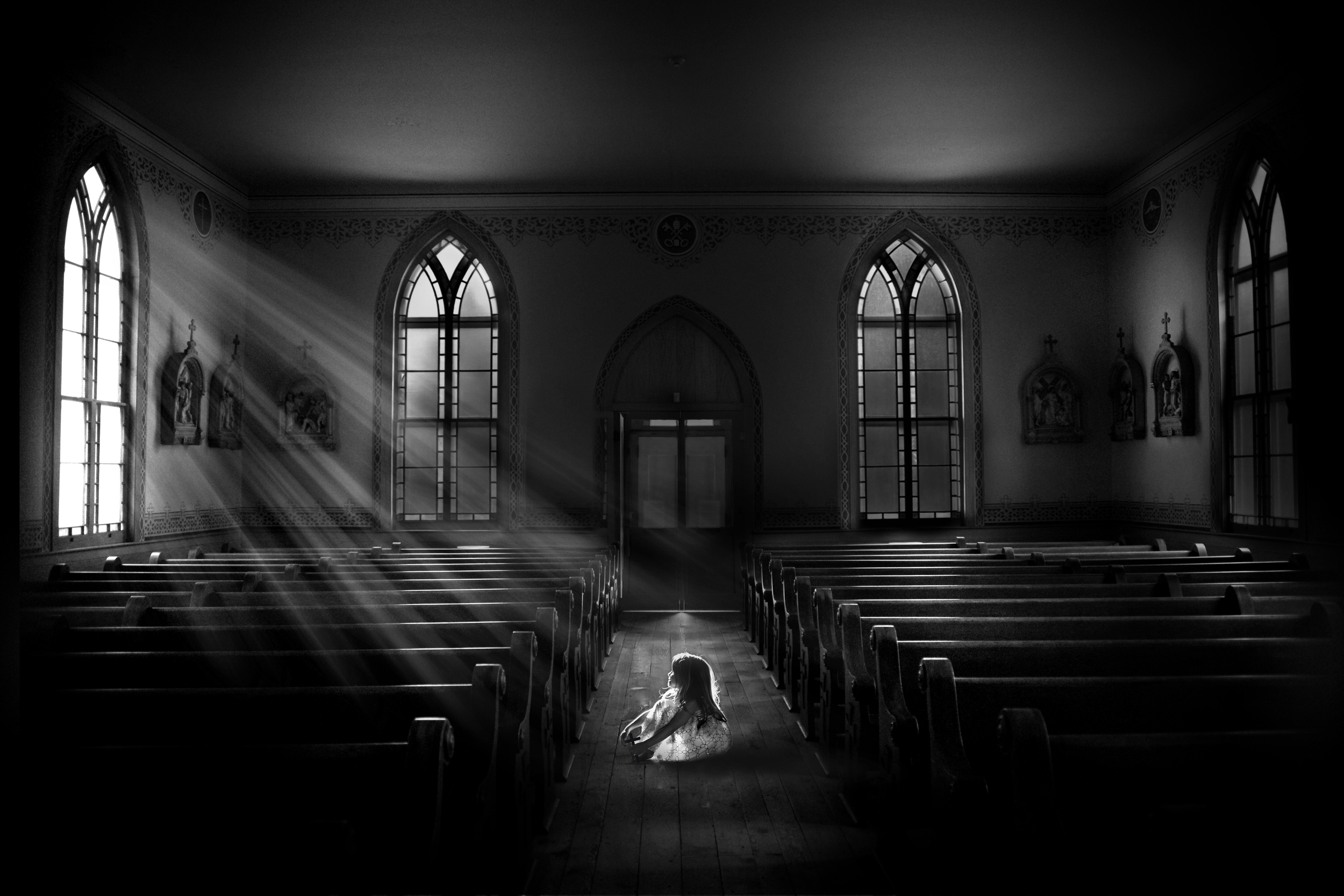
‘My Solace’
The mood and compositions in your children portraits are outstanding! What is your secret and why are you so drawn by this photography type?
Regardless of the subject matter, I'm always observing my surroundings, looking for ways to capture moments bathed in light that make them seem magical. I'm drawn to child photography because their innocence, unlimited curiosity and sincerity move and affect the viewer in ways that nothing else can. I'm also drawn to children's raw, simple candour and how relatable their experiences are, to the extent that many adults can vicariously relive some of their favourite childhood memories through them. Another issue that has always resonated with me is the importance of children being able to be children — climbing trees, exploring the outdoors, swinging, observing nature, playing sports, getting dirty, and simply having fun. In this oversaturated digital era, where our youth are becoming increasingly addicted to screens every day, I am continually reminded of the importance of reminding people that this lifestyle robs children of the essence of childhood. Let them be kids.
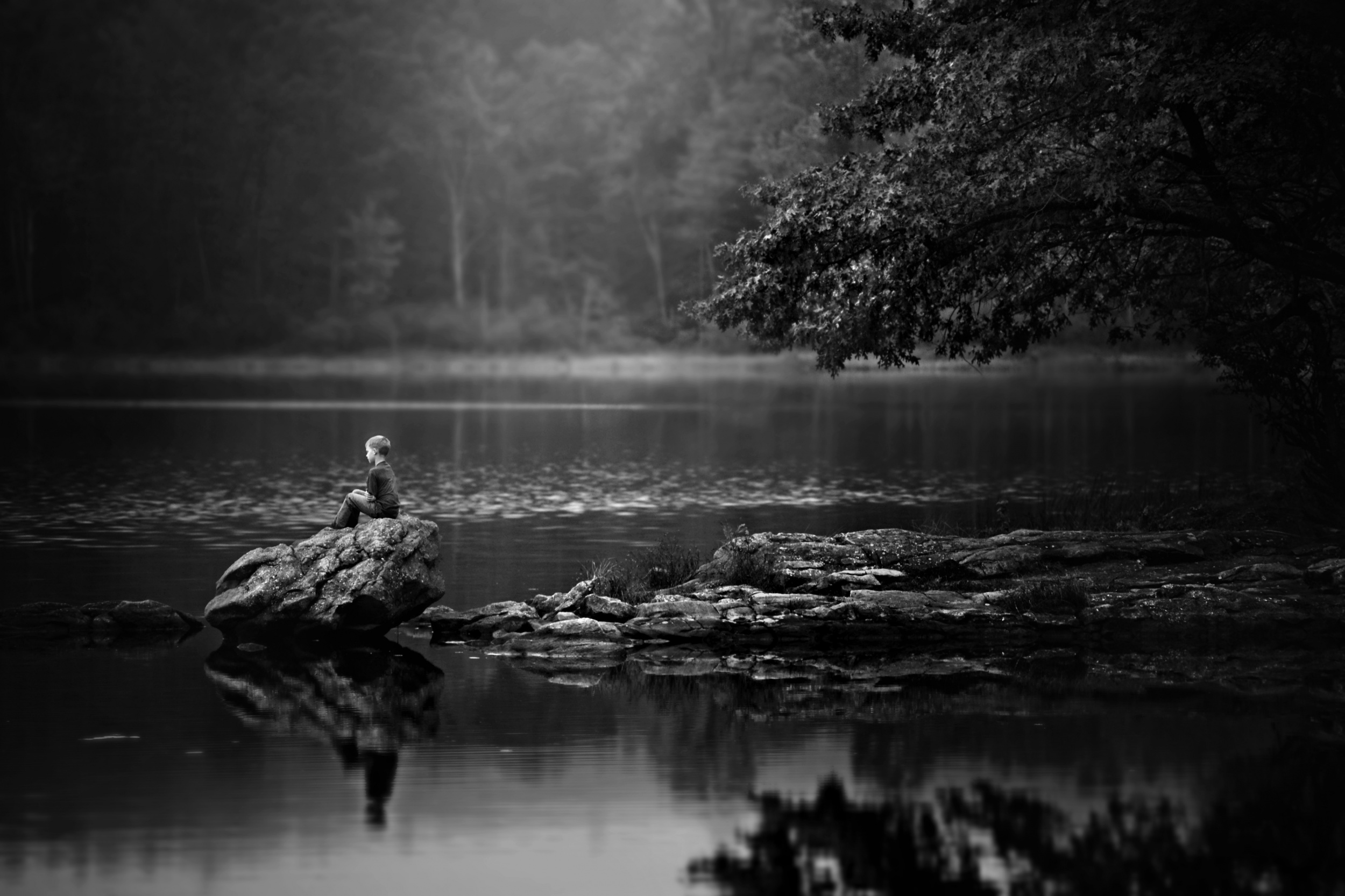
‘Solitude’
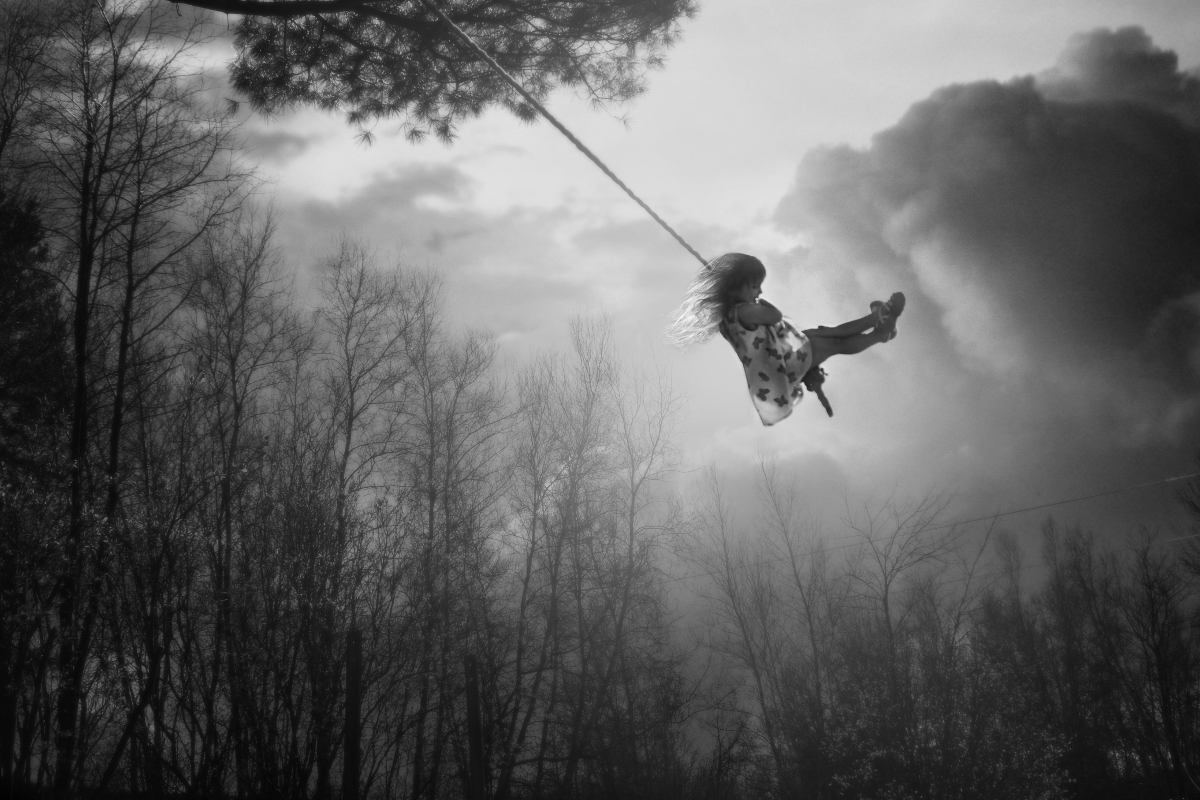
‘Free as the Wind’
In your opinion, what are the main features of a successful children's portrait photographer?
To be a successful child portrait photographer, it's extremely helpful to be flexible, adaptable, and able to think outside the box. Children often refuse to pose in the way we want them to, and if we're trying to capture a candid moment, it's usually gone by the time we're ready to take the photo. You just have to accept this as an unavoidable possibility and be willing to work around it. Being creative on the spot and having patience are therefore important. I've lost count of the number of times I've gone into a shoot with a clear vision, whether candid or staged, only for something to throw my plans into disarray. This forced me to improvise, but by being prepared for this scenario, everything turned out all right in the end. Train yourself to observe. Watch people. Pay attention to how light hits everything around you. You can learn so much by watching and observing. You'd be surprised how magical a simple moment can be when framed in entrancing light or with emotive editing. For this reason, I believe that editing in a way that conveys emotion is pivotal when photographing anyone, but especially children, as this is what sets your work apart in an industry saturated with this particular genre.
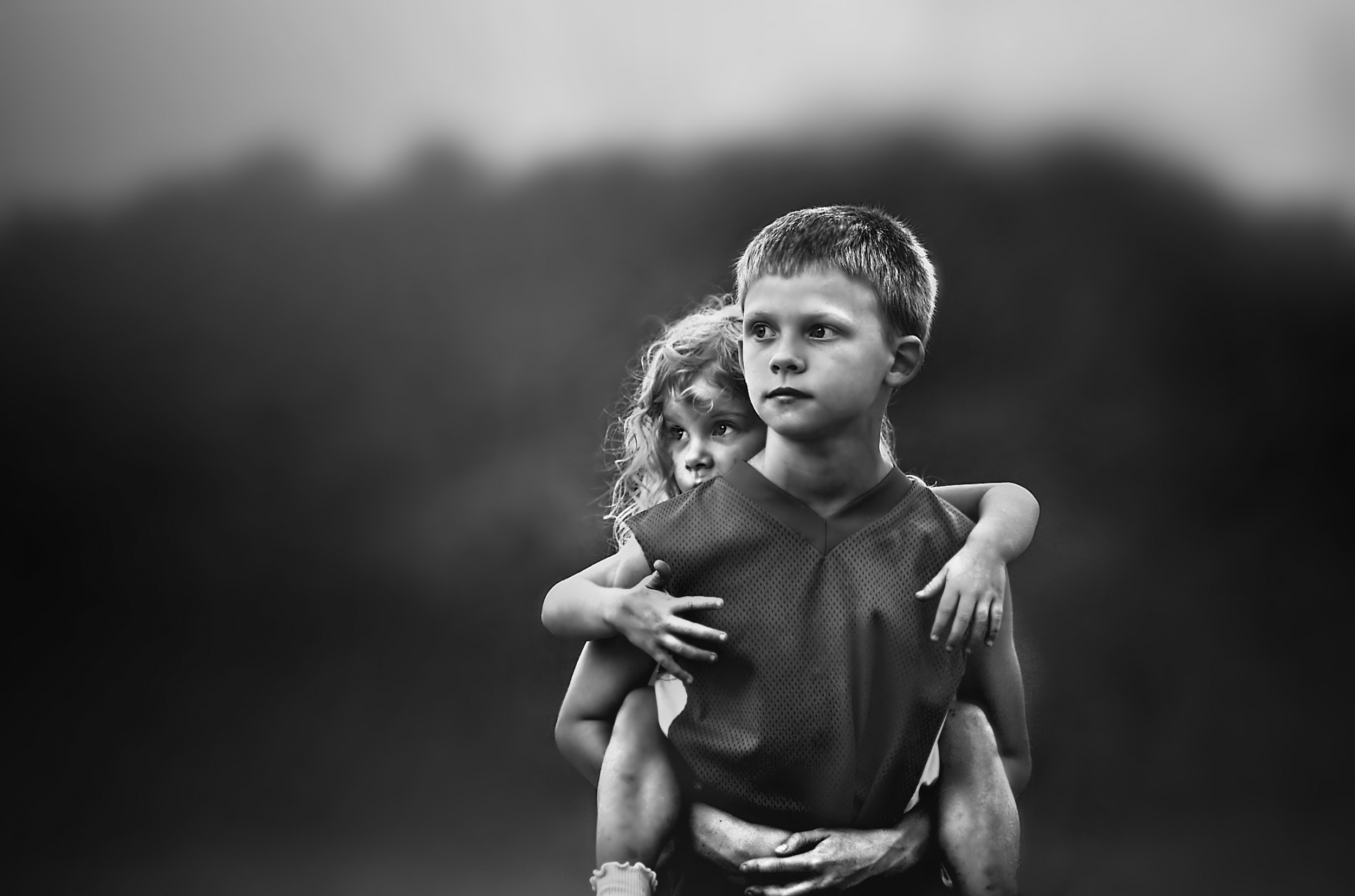
‘Someone to Watch Over Me’
Could you tell us more about your workflow, from initial idea to final product?
In my experience, it's crucial to get as much right in camera as possible when it comes to any form of photography. This makes the editing process much easier because you're just building on and enhancing what's already there, rather than spending time fixing technical errors or discrepancies. I've always edited everything manually in GIMP, mostly working with layers, masks, curves, levels, brushes, and exposure adjustments. I'm well aware that this method is much more tedious and time-consuming than batch editing with an action or preset, but to me, photography is a form of digital painting, and manually making all the adjustments guarantees the uniqueness and authenticity that makes each image stand out. In an era where artificial intelligence is taking over everything, including this field, I believe this style of editing is important if you want your work to stand out from the crowd — machine or not.
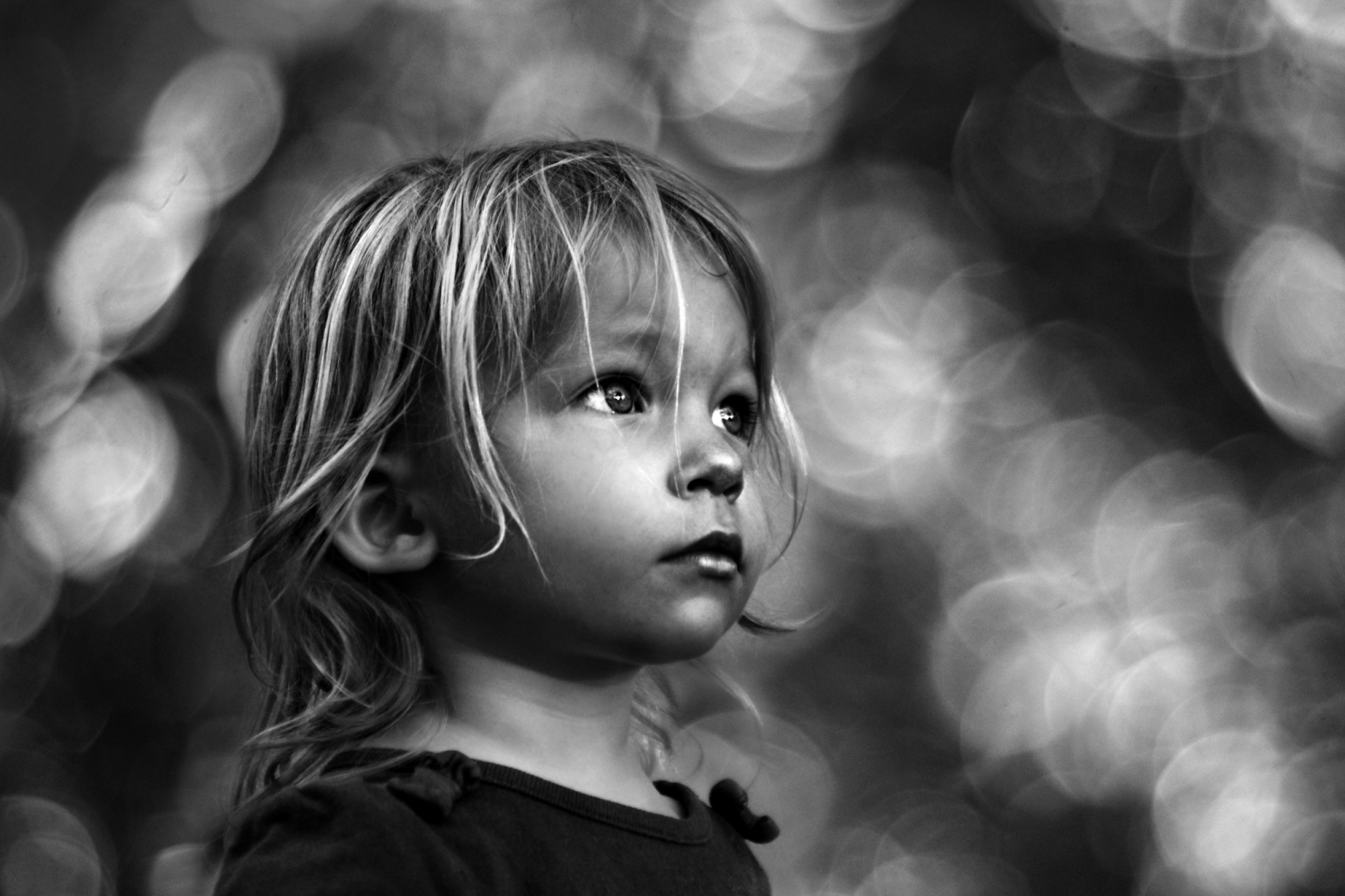
‘Magic and Wonder’
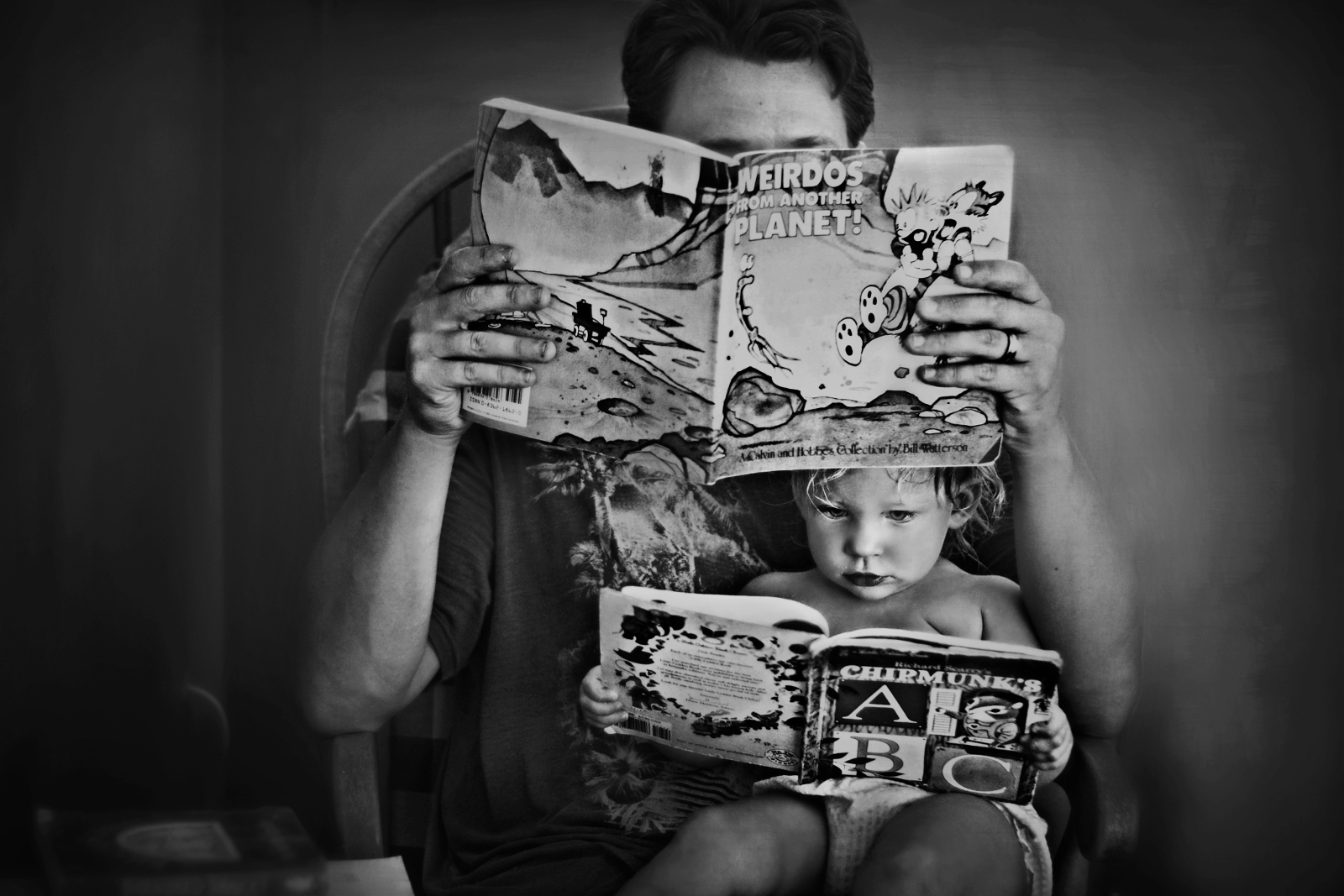
‘Best Seat in the House’
Where do you find inspiration for the visual stories you want to tell? What inspires you?
I don't usually have a preconceived idea unless I want to set up an abstract concept or artistic posed shoot, which is usually inspired by a song, a poem, a Bible verse, or a specific mood or atmosphere. I always follow the light, too. Depth and contrast are important in a captivating photograph. After all, a shadow only appears dark because of the light. As for subject matter, I've never limited myself to one specific genre. I've photographed everything from people and architecture to still lifes and abstracts. The hunger of an artist to create is not only satisfied by the act of creation, but also by the inspiration that gives us the initial nudge to create. The search for inspiration is never-ending.
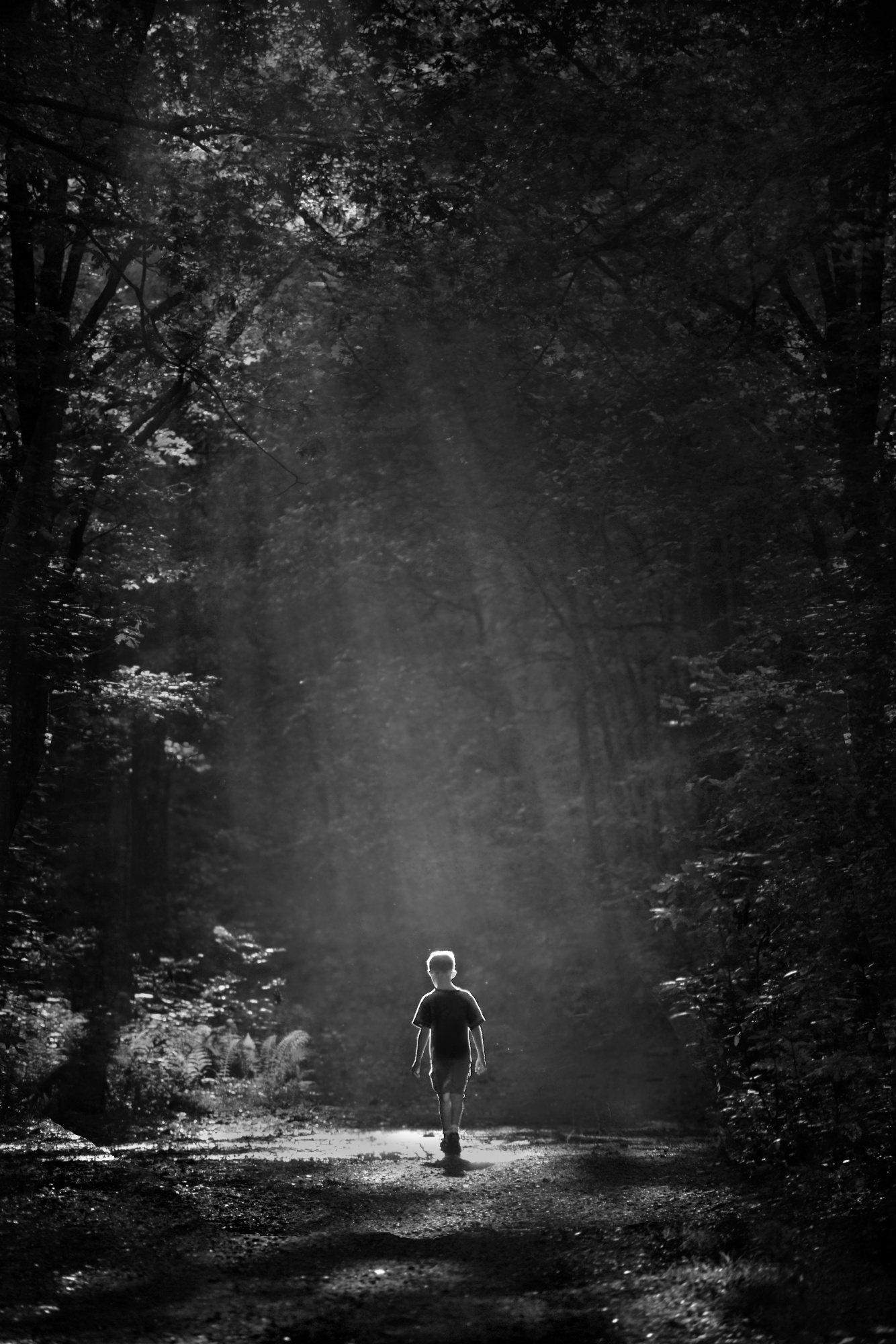
‘Revere’
Many people believe that gear is not very important when you are passionate about photography. However, could you please tell us what equipment you use, such as your camera, lenses, lighting and tripod?
I completely agree that gear is not the most important factor when it comes to creating captivating work. I was shortlisted in the Sony World Photography Awards in 2015 with a five-year-old second-hand Sony α700 paired with vintage Minolta lenses — far from top of the line! Even now, I use cameras that are considered outdated by industry standards: two Sony A900s and an A99II. The sentiment 'they don't make them like they used to' definitely rings true with these legends, especially the A900 — it's built like a tank! If it didn't perform so poorly in low light, I would never have bought the a99ii. Sure, I could probably benefit from faster autofocus and better low-light capabilities, but what these full-frame cameras offer is sufficient for my current needs, and they get the job done, so I'm happy with them.
My go-to lenses are vintage Minolta AF, as I mentioned earlier: the 28–70 f/2.8, 35 f/2, 85 f/1.4, and 80–200 f/2.8. You just can't achieve bokeh and colour like that with newer lenses.
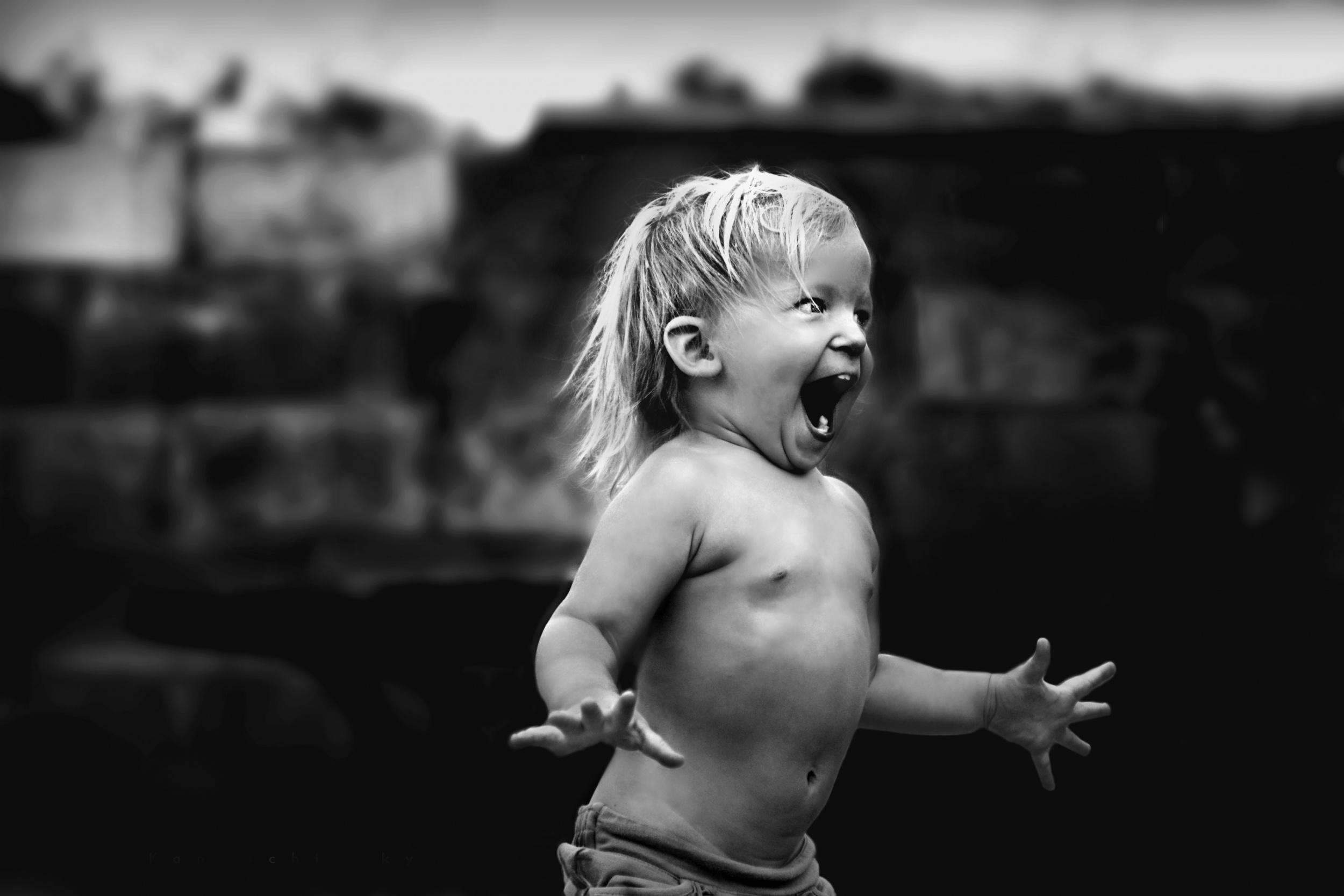
‘Exhuberance’
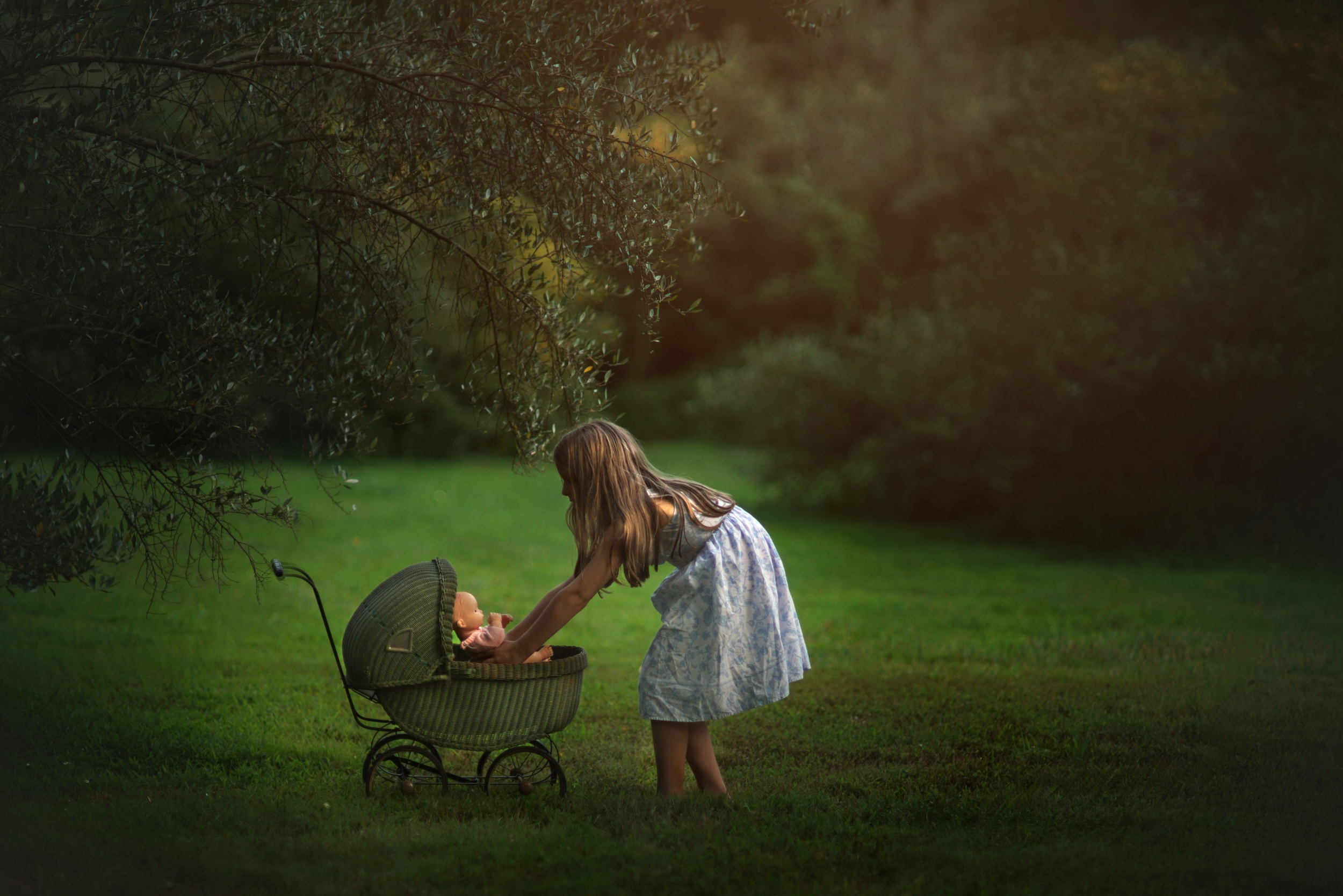
‘Little Mama of the Wild Olives’
When I have time to think more creatively and outside the box, I use my Lensbaby optics. I have the Velvet 85, Twist 60, Sweet 50, Edge 50, Sol 45 and Burnside 35, as well as their macro attachments. Each one produces a unique effect, such as focal zoom, soft ethereal edges, dramatic vignetting and swirled, Helios-like bokeh. There's nothing better than creating an artistic shot in-camera with no post-processing alterations. Lastly, for those times when I need to use a flash, I upgraded to a Profoto A1 this past winter. Although I haven't had much of an opportunity to use it yet, I can already tell that it's going to be incredibly useful. The 3–5 second recycle time on my old flash was brutal. Having said that, yes, there will come a time when you outgrow your gear as you advance in your field. However, make sure you maximise its use in your area of expertise before feeling the need to upgrade. Shopping for new camera gear can be overwhelming, but narrowing down your search to a specific need will make it much easier.
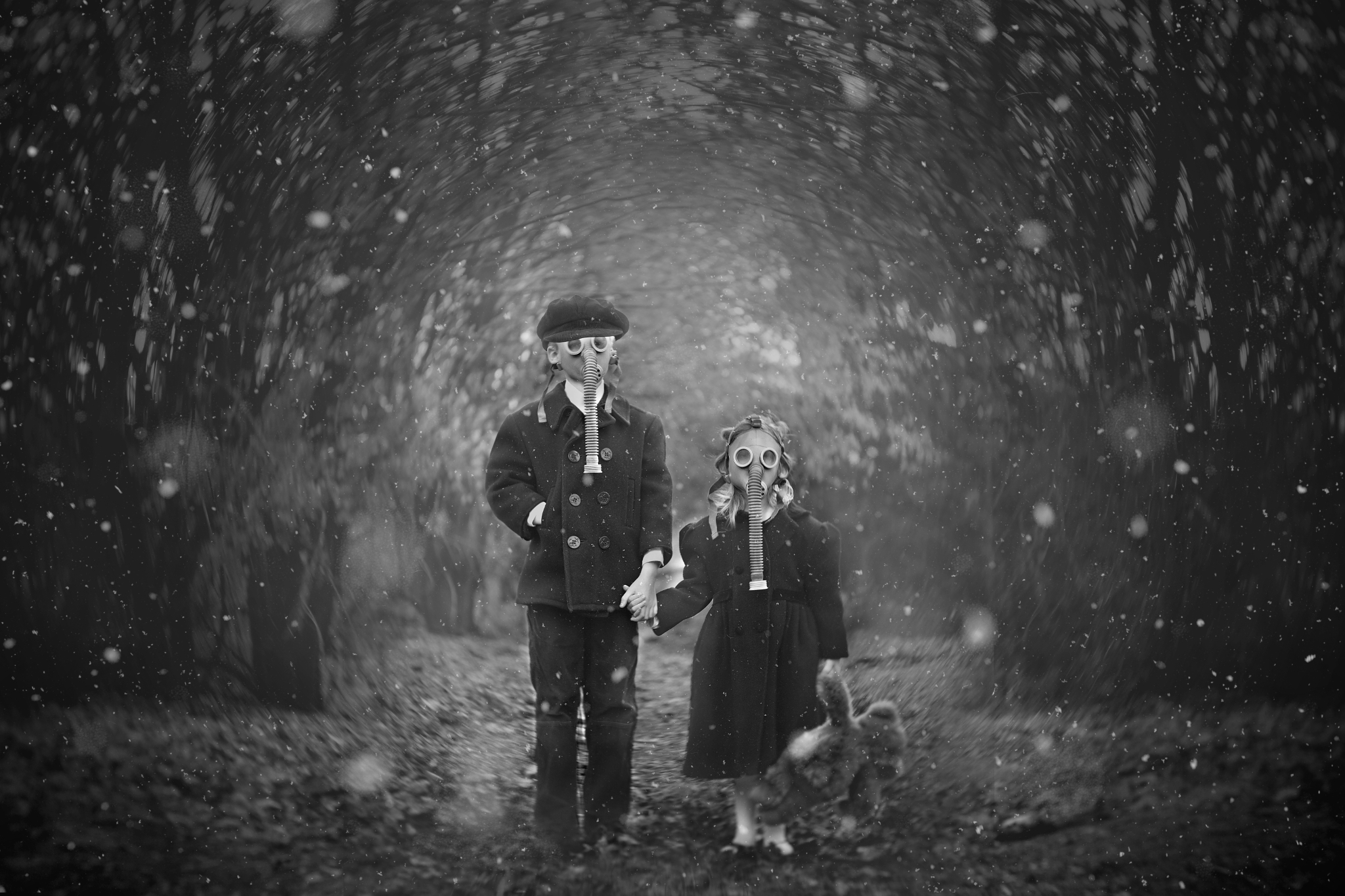
‘A Beautiful Catastrophe’
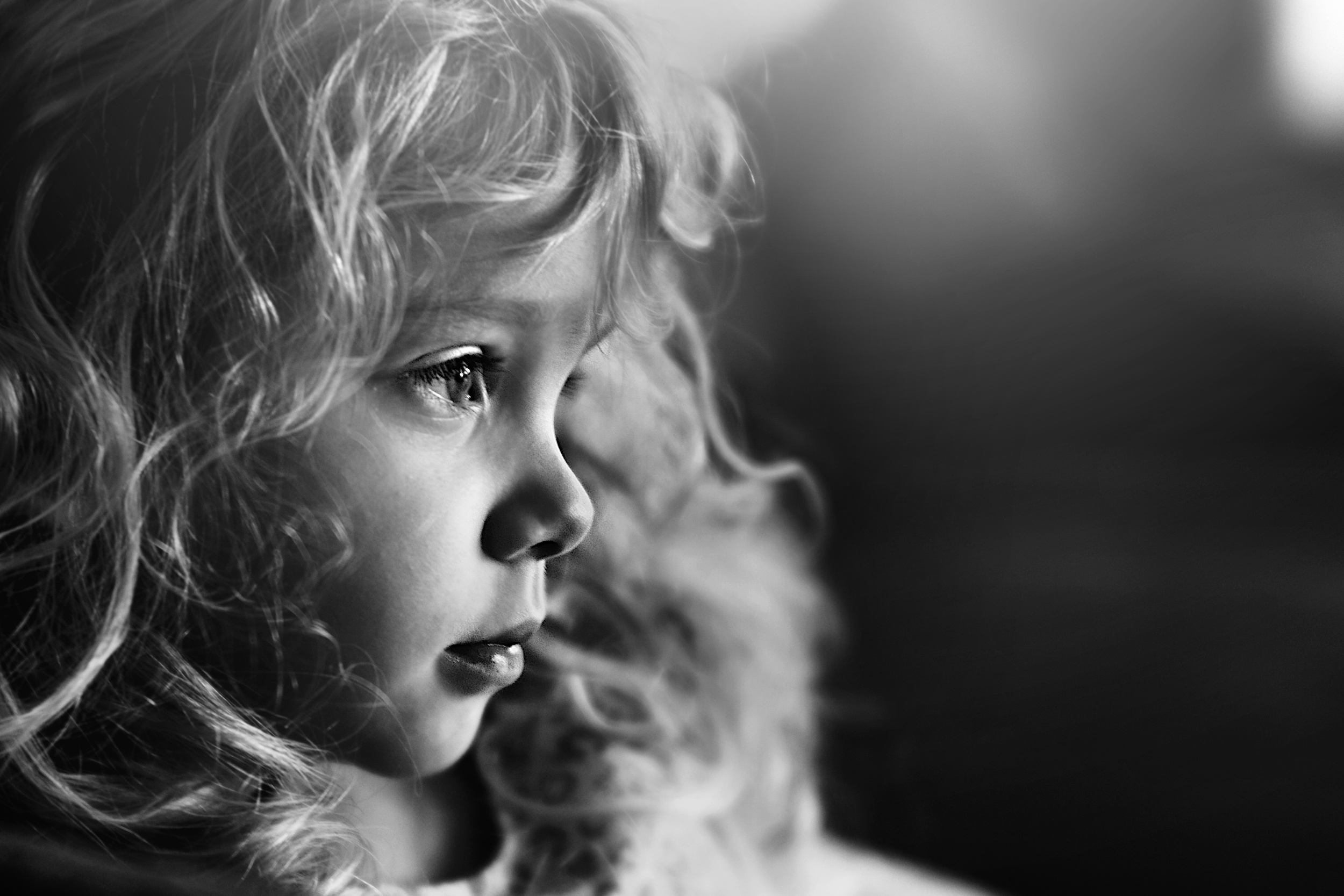
‘Les Miserables’
Which photo is your favourite? Please tell us the story behind your choice.
One of my favourite photos is probably a candid black-and-white shot called 'Gotcha!'.
It's a picture of my son, who was 6 at the time, getting completely soaked with the hose by his father during an epic water battle in our backyard on a sweltering summer's day in the high desert of Southern California. The look of gleeful defeat on his face is priceless, and his smile is contagious. It's a perfect childhood memory of a summer's day. I remember it like it was yesterday — my useless lens hood kept falling off, hence the harsh lens flare at the top of the image. Funny enough, this ended up sparking debates online, with some people insisting that it was shot with an off-camera flash instead of backlit sunlight. I read the comments with mild amusement, as strangers argued about how I took a photo that was about as unplanned as they come!
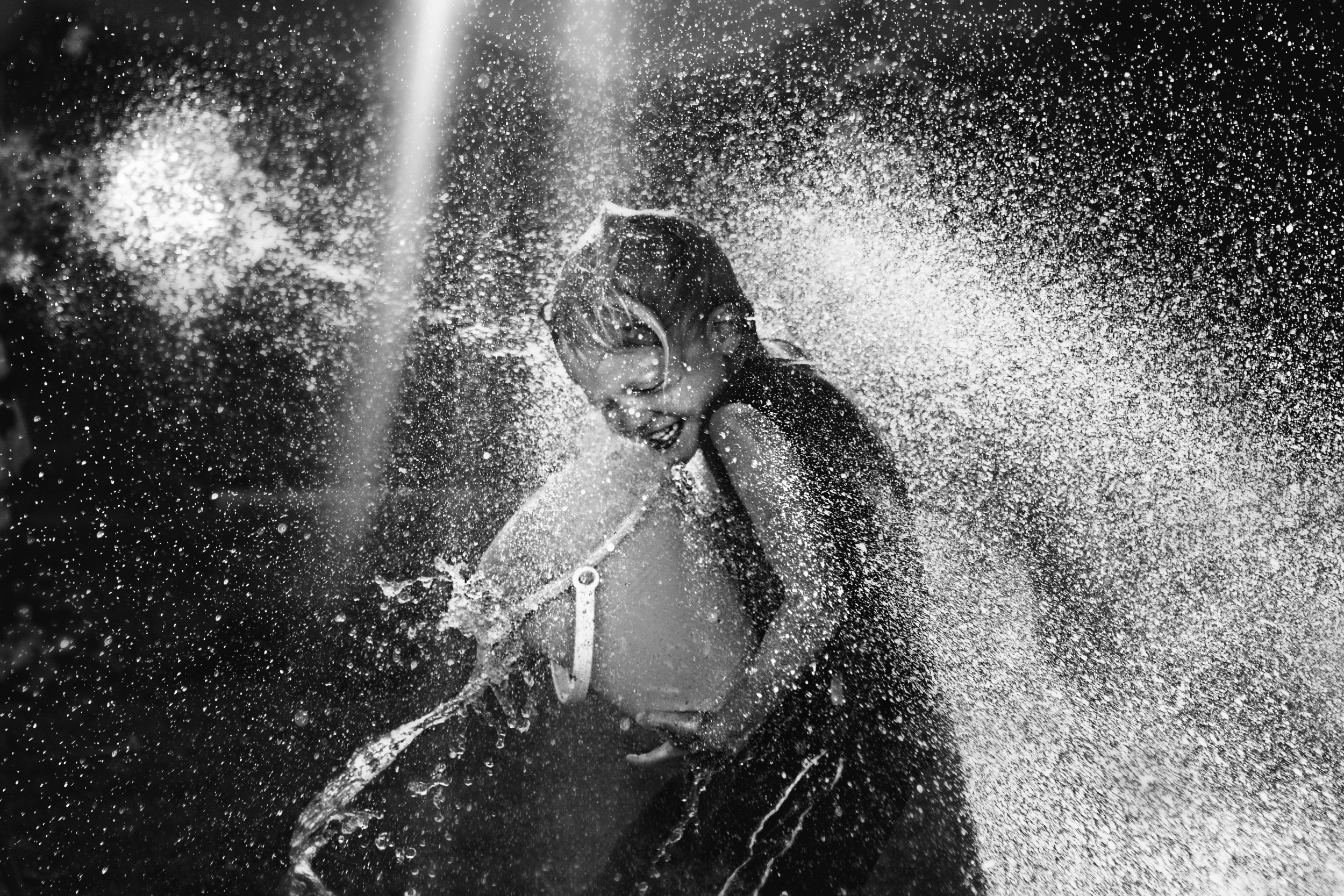
‘Gotcha!’
Which photographers or mentors have influenced you and your photography, and who are your favourites?
The first person to inspire me was Hengki Koentjoro, with his velvety, rich, moody black-and-white photographs. They are absolutely mesmerising. I also love Marius Vieth's street photography — he transforms ordinary urban scenes into pure works of art. I stumbled across his work on Flickr around twelve years ago and have loved it ever since. Both artists create pieces that take evocative minimalism to a whole new level, and they are a real treat for the eyes.
Now that we're almost at the end of the interview, could you please tell us about any photographic projects you'd like to be involved in?
Funny you should ask, Yvette, because, as you know, this interview is over two years old. To be honest, I had to put my photography on hold seven years ago when I was at my worst with Lyme disease. I couldn't keep up with social media, only took on two or three clients a year and, even then, I barely had the ability to function outside the home because of the debilitating pain and fatigue. My husband had to handle almost everything alone while I tried to keep my head above water. I had to focus all my physical and mental energy on taking care of my family. But then, this past summer, something changed and the Lyme disease unexpectedly went into remission. I finally had the energy to start shooting and editing regularly again. I know that my abilities are a gift and I don't take them for granted. I am so humbled and thankful to God for enabling me to return to one of my favourite pastimes and do what I love. Not to mention the fact that crossing over to motorsports photography at one of my favourite racetracks is just surreal and some of the most fun I've ever had in this industry. When I'm there, it feels like time stops — all the world's instability just disappears, consumed by the lights, sounds and smells. I'm just lost in the moment, and the energy is contagious. It might sound out of place to throw a fine artist into the middle of an asphalt short track, but blending the two at a venue as untamed, competitive and unpredictable as grassroots racing hugely inspires me and pushes my creativity in ways I would not otherwise have encountered. Every day at Evergreen, I see it as a blank canvas — I never know what I'm going to come home with. That challenge, paired with the relationships I've developed with my colleagues, is what drives me. That, and my kids who tag along, of course :)
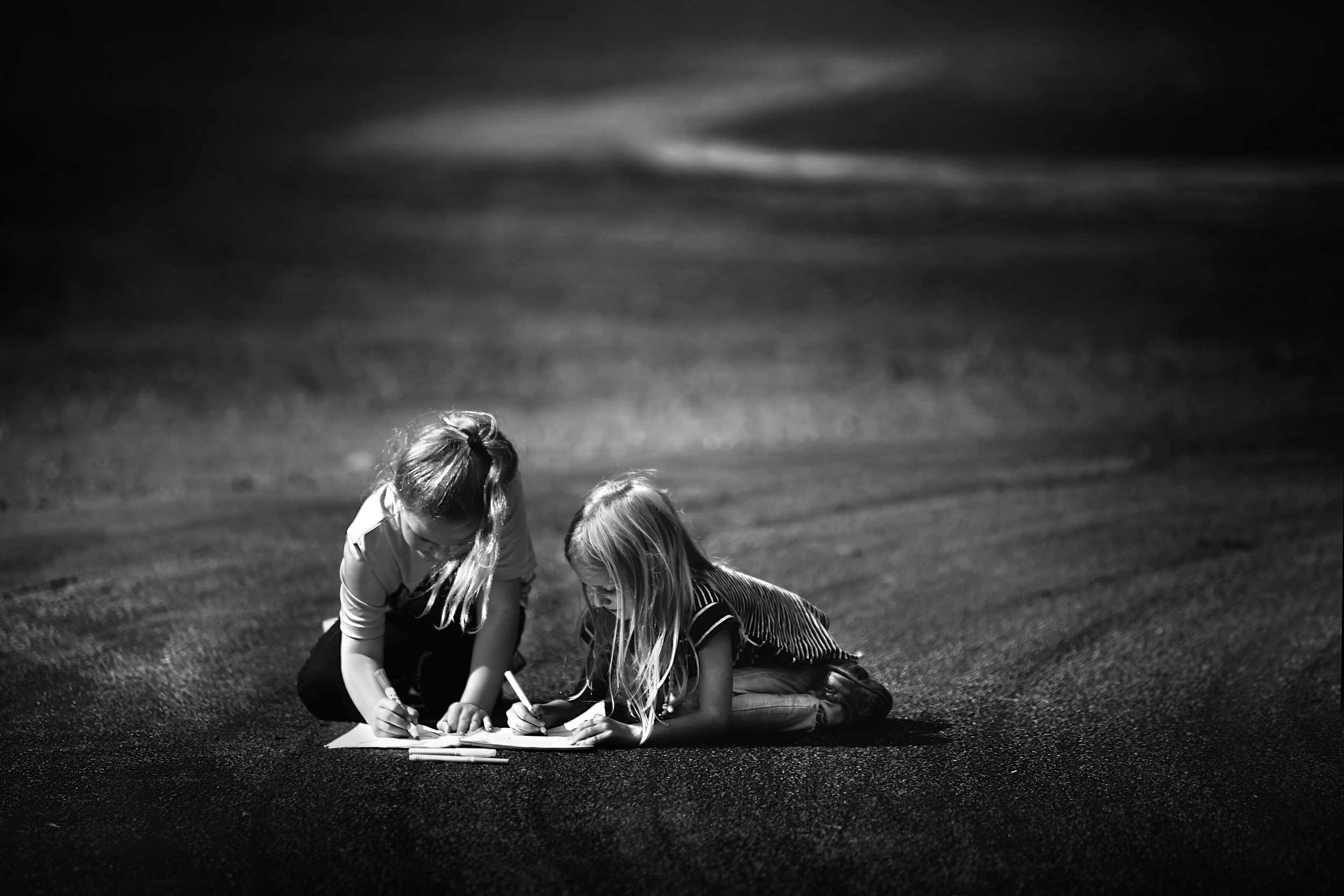
‘Friends’
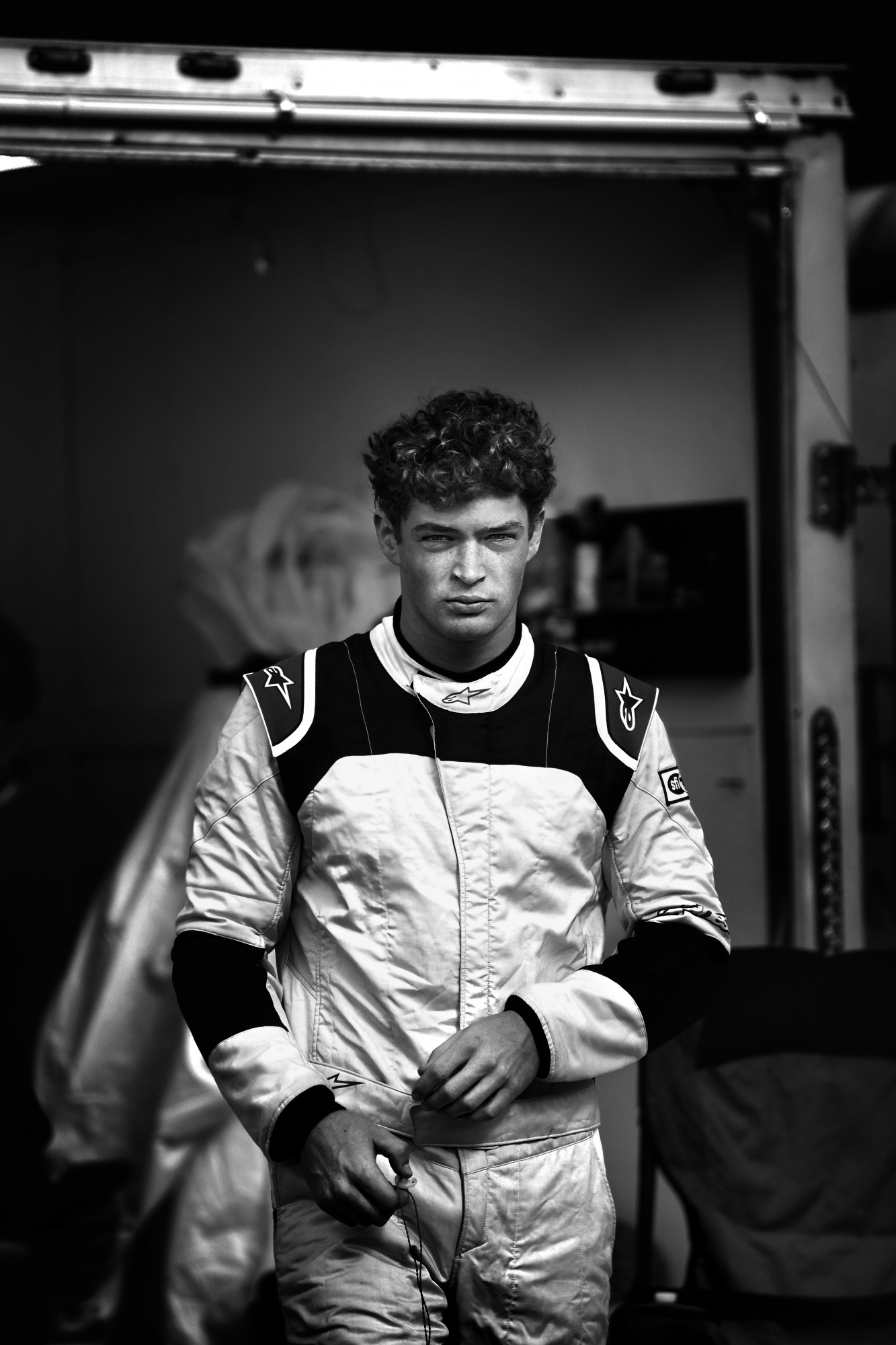
‘Game Face’
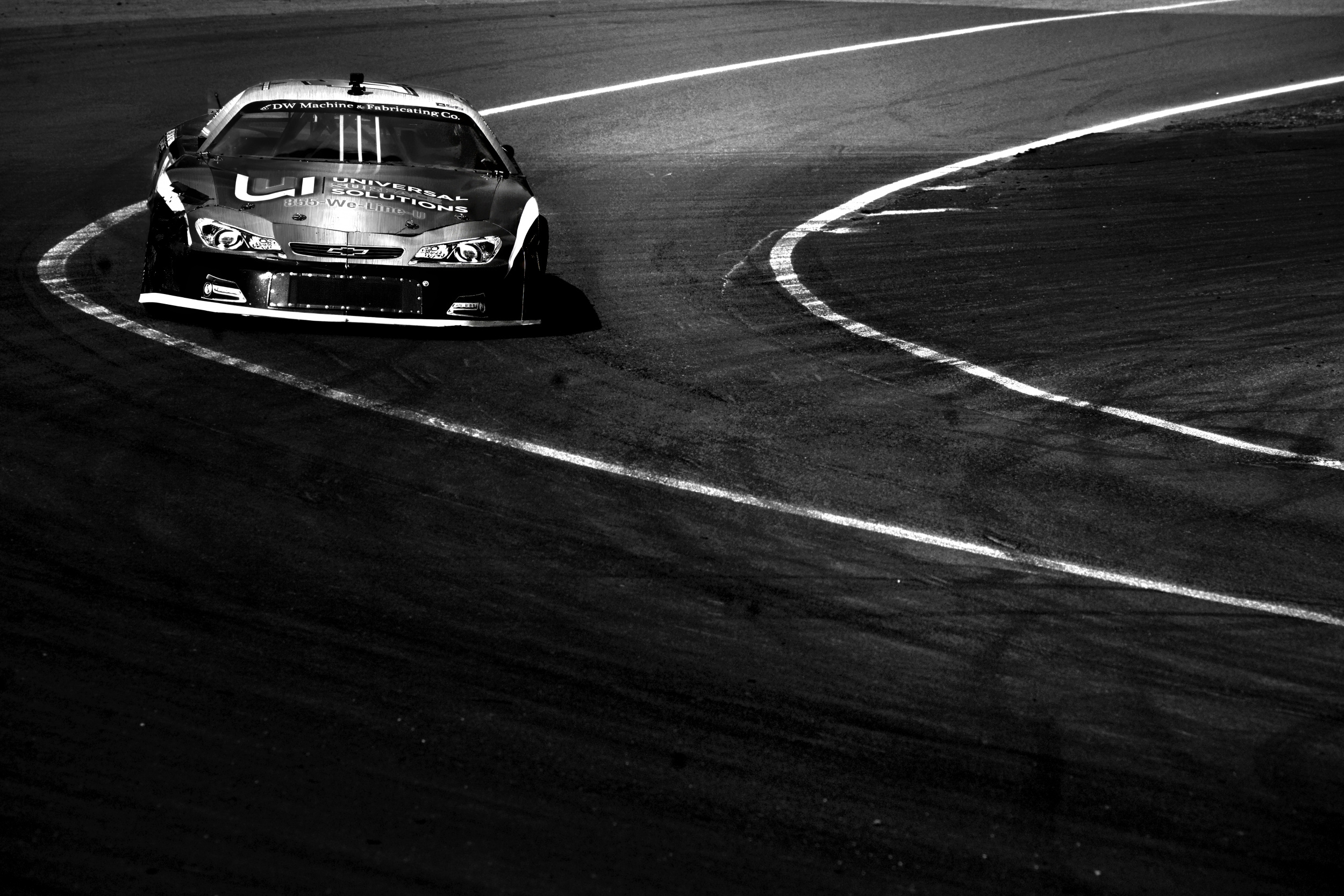
‘Curves’
Is there anything else you would like to add, and what are your thoughts on using 1X as a home base for your work?
One of the things I love about using 1x as a fine art photography platform is its consistency: consistent quality of content, consistent standards and consistent layout. Unlike many photography websites, 1x doesn't implement annoying, unwelcome changes and unnecessary "upgrades" over time that make using them confusing or less interesting because they deviate from their original purpose of sharing high-quality imagery. I have a huge appreciation for the variety of artwork exhibited on 1x and for the fact that its users span the entire world. There's no sense of competition on this platform, only mutual appreciation for the beautiful work and the artists behind it.
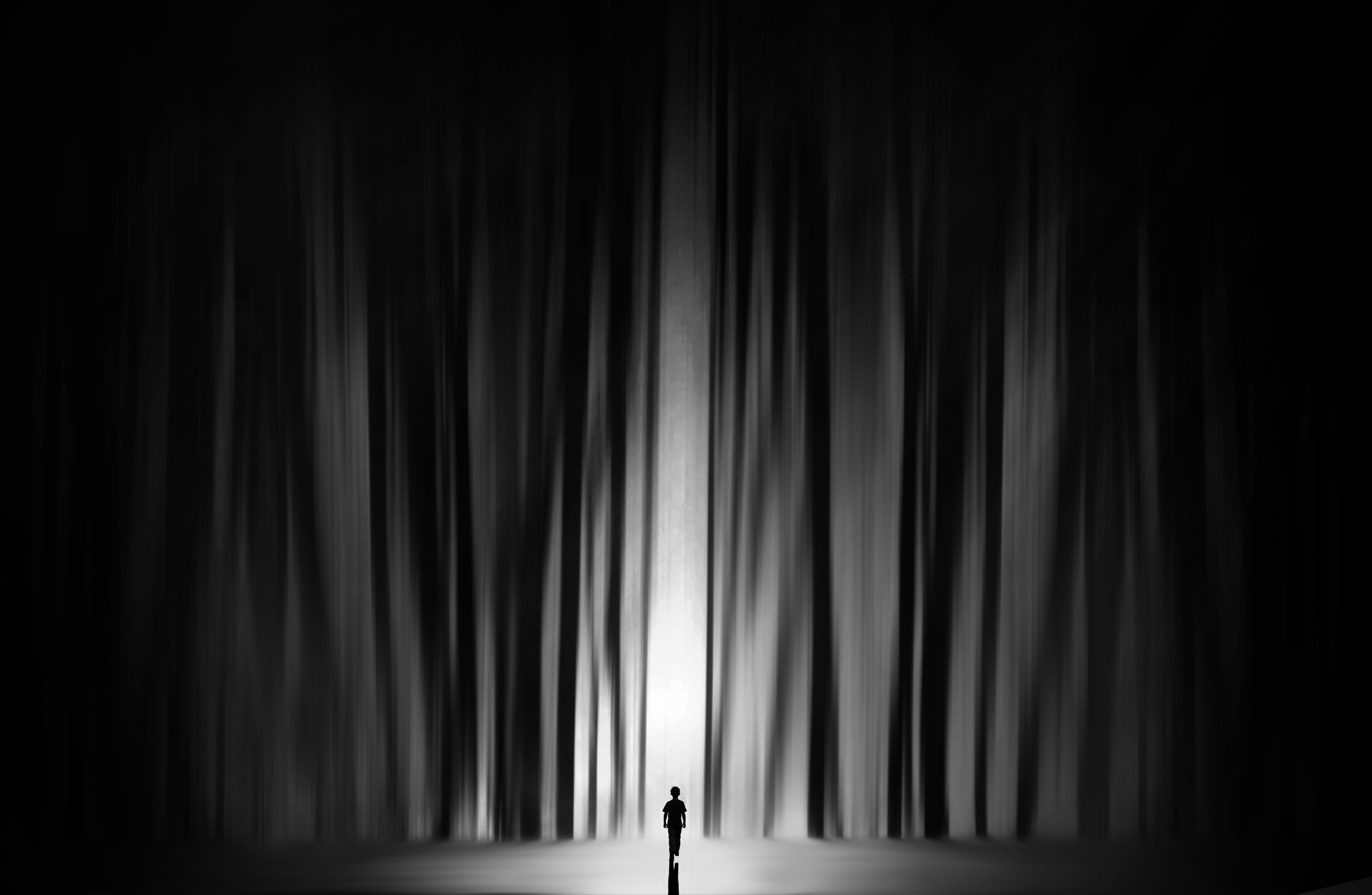
‘Encore’
Thank you, Christine. As the title of your last photo says, 'Encore'. I truly hope to see 'More' of your outstanding work.
 | Write |
 | yein PRO Great tone and manner. I love you. Congratulations on your interview
Photographer Kapuschinsky |
 | Georges Friant PRO Beautiful B and W pictures, superbe ! |
 | Ugur Erkmen PRO Beautiful inspiring BW images. Thanks for sharing. |
 | Linda Lu PRO Powerful B/W images, thanks for sharing! |
 | Nancy Lee PRO such inspirational and fun images! I enjoy them very much! |
 | Adrian Donoghue PRO Beautiful work, thanks for sharing |
 | Eiji Yamamoto PRO Dear Christine and dear Yvette, thank you so much for this interesting interview with great photography! I'm very inspired! |
 | Kapuschinsky PRO Thanks, Eiji! So glad you like it. |
 | Grethe Stene PRO Powerfull, Great light ! |
 | Yvette Depaepe CREW Christine, you're such an inspiration to me ... Thank you so much for this interview ♥ |
 | Angelika Vogel PRO This Portfolio of children is sooo expressive and sweet and powerful and children's curiosity and amazement so impressive...and and and... Congratulations, dear Christine, and thank you very much, Yvette, for this excellent portfolio! |
| Yvette Depaepe CREW Thank you, Angelika ... I admire Christine's work and her beautiful strong personality ;-) |
 | Steven T CREW Thank you, Christine and Yvette. Wonderful photos. "Free as the Wind" is beautiful and timeless. |
| Yvette Depaepe CREW Free as the wind also is one of my favorites, but Christine's work is sublime ;-) |
| Kapuschinsky PRO Thanks, Steven! That one has always been one of my favorites, too, especially since the tree had to be cut down...so I'm glad I still have the memories:) |
 | Marion Keijzer PRO Ontroerend schoon, verhaal, foto's, om stil van te worden. In schril contrast met de bommen die vallen, de oorlog de honger de misbruik van kinderen en zoal niet meer. Ik ben woorden loos, stil en ook wel een beetje verdrietig. |
| Yvette Depaepe CREW Beautiful comment, Marion ... and worth to translate: Moving beautiful story and the photos are enough to leave you speechless. This is in stark contrast to the falling bombs, war, hunger and abuse of children. I am left speechless and feeling a little sad. |
 | Wensheng (Wilson) Li PRO These B/W images are so powerful! |
| Kapuschinsky PRO Thank you, Wensheng! So glad you like them. |
 | Jane Lyons CREW Christine, your work is exquisite, as are your children. So glad that you've recovered and are back behind the camera. Thank you and Yvette ! |
| Yvette Depaepe CREW Thank you Jane ... |
| Kapuschinsky PRO Thank you so much, Jane! That means a lot! |